



Why Site Preparation Matters in Construction

Posted by nikol
from the Agriculture category at
26 Sep 2026 09:53:56 am.
Share this page: 


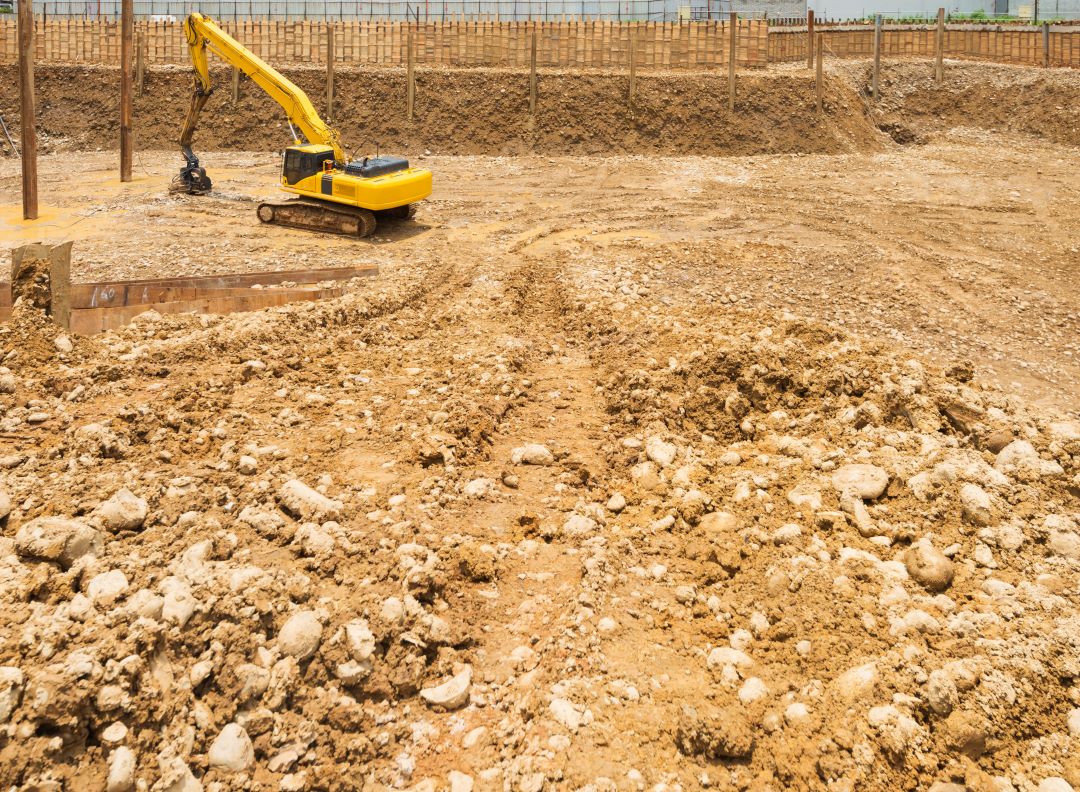
Site preparation may include excavation, grading, demolition, drainage work, foundation installation, and the preparation of areas for driveways or other outdoor features.
Foundations as the Starting Point
A foundation provides the structural base for a building and helps distribute its weight across the ground. Different projects require different foundation solutions, depending on the size and purpose of the structure, soil conditions, drainage requirements, and other characteristics of the property.
Gravel and concrete are among the materials commonly used for foundations and pads. Gravel foundations can be suitable for structures such as sheds and other smaller buildings, while concrete can provide a durable base for garages, houses, barns, and other substantial structures.
The choice of foundation should be considered carefully because an unsuitable or poorly prepared base can lead to movement, settlement, drainage problems, or other complications over time.
Excavation and Demolition
Not every construction project begins with an empty piece of land. Existing structures may need to be removed before new work can begin. Demolition and excavation can therefore become important stages of the preparation process.
Residential excavation may involve preparing an area for a foundation, removing unsuitable material, or changing the shape and level of the ground. Commercial excavation can involve larger areas and more complex requirements.
Proper planning is particularly important when underground utilities are present. Their location should be identified before excavation begins so that equipment can be used safely and the project can proceed without unnecessary complications.
Preparing Outdoor Spaces
Site Prep is not limited to building foundations. Well-planned groundwork can also improve the functionality of residential outdoor areas.
Backyard projects may include bases for hot tubs and pools, gravel patios, fire pit areas, dog yards, playground or swingset bases, and spaces beneath decks. These projects require an appropriate surface and adequate preparation to provide stability and support.
Driveways and parking pads are another important part of property preparation. Depending on the project, gravel or concrete can be used to create surfaces capable of handling regular vehicle traffic and changing weather conditions.
Choosing the Right Materials
Material selection depends on the purpose of the area being prepared. Gravel, concrete, artificial turf, rubber mulch, and wood chips can all serve different functions.
Concrete is frequently associated with durable foundations, pads, piers, and other structural surfaces. Gravel can provide a practical solution for foundations, patios, driveways, and parking areas. Other materials can be used to improve the appearance, comfort, drainage, or usability of outdoor spaces.
The most appropriate option depends on factors such as expected loads, soil conditions, drainage, intended use, maintenance requirements, and the overall design of the property.
Protecting the Property During Construction
Groundwork often requires heavy equipment, but construction activities do not necessarily have to cause extensive disruption to an existing property. Equipment selection and careful planning can help reduce unnecessary impact on lawns, landscaping, driveways, and surrounding areas.
For residential projects in particular, access can sometimes be limited by fences, narrow driveways, neighboring structures, or changes in elevation. These conditions should be considered before work begins so that the necessary equipment and working methods can be selected appropriately.
A Structured Approach to Site Preparation
A well-organized project generally begins with an assessment of the property and the client's requirements. The scope of work can then be determined, followed by scheduling and installation.
For some projects, photographs and basic information about the property may be sufficient to prepare an initial estimate. More complicated sites, particularly those with significant slopes or unusual access conditions, may require an on-site assessment.
Once the project is scheduled, preparation and installation can often be completed relatively quickly, depending on the size and complexity of the work.
The Foundation of a Successful Project
Good construction depends on more than the visible elements of a finished building. The work beneath and around a structure plays an equally important role in its long-term performance.
Careful excavation, appropriate grading, reliable drainage, properly selected materials, and a correctly installed foundation can create a stable starting point for future construction. Taking time to address these elements before installation begins can help prevent avoidable problems and provide a more dependable result.
Whether the project involves a new structure, an outdoor improvement, or a larger development, effective site preparation provides the groundwork on which the rest of the project can be built.
0 Comments