



Custom Neon Lights: Creative Lighting Ideas for Everyday Spaces?
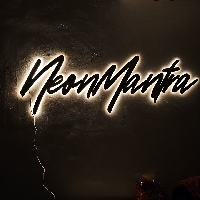
Posted by neonmantra
from the Search Engine Optimization category at
19 Sep 2026 12:20:05 pm.
Share this page: 


Custom Neon Lights offer one way to introduce colour, character, and visual interest into different types of spaces. Instead of choosing a standard decorative lamp or a generic wall accessory, a custom sign can be designed around a particular word, phrase, name, symbol, or visual idea.
Today, Neon Lights are used in much more than traditional signs. They can become part of a bedroom, home office, entertainment area, café, retail store, studio, reception space, or event setup. The key is to choose a design that works with the space rather than making the lighting feel disconnected from the rest of the interior.
What Makes Custom Neon Lighting Different?
Traditional decorative lighting is usually selected according to shape, brightness, and function. Custom neon lighting adds another consideration: personal meaning.
A sign can represent a name, a favourite phrase, a business identity, a hobby, or simply a visual style that suits the room.
For example, a simple word can create a relaxed atmosphere in a bedroom, while a business name can strengthen the identity of a reception area. In an entertainment room, a short phrase or symbol can create a more distinctive background.
The flexibility of the design is one of the main reasons people consider custom lighting for spaces that would otherwise look ordinary.
1. Give an Empty Wall a Clear Purpose
An empty wall does not always need a large piece of artwork or several decorative objects.
A carefully sized neon sign can give that wall a clear focal point while keeping the overall arrangement relatively simple.
Before choosing a sign, look at the furniture surrounding the wall. A sign positioned above a console, sofa, desk, or cabinet should have enough visual space around it.
Leaving some empty wall area can actually make the sign more noticeable.
2. Create a Comfortable Bedroom Atmosphere
Bedrooms are personal spaces, so lighting should generally feel comfortable rather than overpowering.
A short word, name, initials, or meaningful symbol can work well above a bedside table, dressing area, or feature wall.
The colour and brightness should complement the existing room. Softer illumination may work better for a relaxing bedroom, while brighter colours can suit a more energetic teenage or gaming setup.
The design should also remain useful as the room changes. Choosing something connected to a long-term interest or personal identity can make the decoration feel less temporary.
3. Add Personality to a Home Office
A home office can easily become visually plain because most of the furniture is chosen for practicality.
A small custom sign can introduce some personality without taking up valuable desk space.
Consider placing Custom Neon Lights behind or beside the workstation, particularly on a wall that appears in video calls or photographs.
A simple phrase can create a distinctive background while a name or logo can give a more personalised touch.
However, the sign should not be positioned where its brightness creates reflections on a monitor or distracts from the workspace.
4. Make an Entertainment Room More Interesting
Entertainment rooms are naturally suited to creative lighting.
Gaming rooms, home theatres, music corners, and hobby spaces can use Neon Lights to create a stronger visual identity.
A sign can be designed around:
Gaming interests
Music
Sports
Movies
Personal slogans
Favourite symbols
Hobbies
Rather than filling every wall with decorative lighting, choose one main area for the sign and allow the rest of the room to remain visually balanced.
5. Use Lighting in Dining and Social Areas
Dining spaces are often used for conversations, family gatherings, and informal celebrations.
A small custom sign can work as a decorative element near a dining wall, home café corner, breakfast area, or entertainment section.
Words related to food, family, conversation, or hospitality can make the space feel more personal.
The important factor is scale. A very large sign in a small dining area may dominate the room, while a small sign can sometimes disappear against a large wall.
6. Add Character to Small Business Interiors
Custom lighting is not limited to homes.
Cafés, salons, clothing stores, restaurants, studios, and small offices can use a customised sign to create a recognizable visual element.
For a business, the design can include:
Business name
Logo
Short slogan
Brand symbol
Simple graphic
Social-media-friendly phrase
A well-positioned sign can also become part of the customer experience. Visitors may naturally use an attractive sign as a background for photographs, helping the space become more visually memorable.
7. Design a Photo-Friendly Corner
Many modern spaces include an area specifically intended for photographs or videos.
This could be a café wall, reception area, studio, event venue, beauty salon, or home entertainment corner.
A custom sign can make this area more distinctive.
When creating a photo-friendly setup, consider how the sign will appear through a camera rather than only how it looks in person. Excessive brightness can make photographs difficult, while a poorly positioned sign may compete with people standing in front of it.
A simple design with clear lettering can often work better than an overly complicated graphic.
8. Think Carefully About Typography
The words may be simple, but the font can completely change the character of a sign.
Modern block lettering can create a clean appearance, while handwritten or script-style lettering may feel softer and more personal.
Before finalising a design, consider whether the lettering will remain easy to read from the normal viewing distance.
Very complicated fonts can look attractive in a design preview but become difficult to recognise when converted into an illuminated sign.
9. Choose Colour According to the Space
Colour should work with the existing interior rather than being selected independently.
Look at:
Wall colour
Furniture
Curtains
Flooring
Existing lighting
Decorative accessories
A strong contrast can make the sign stand out, while a complementary colour can make it feel more integrated with the room.
For commercial spaces, colour can also be considered alongside existing branding.
10. Get the Size Right
One of the easiest mistakes is selecting a sign based only on how attractive it looks in a product image.
A design that appears balanced online may look too small or too large on an actual wall.
Measure the available area before finalising the dimensions.
Also consider the viewing distance. A sign above a desk may be viewed from only a few feet away, while a sign in a café or reception area may need to be visible from across the room.
11. Plan the Installation Before Ordering
The practical side of installation should not be ignored.
Think about where the electrical connection will be located and how the cable will reach the power source.
The wall material also matters. Different surfaces may require different mounting methods.
If the sign is intended for a rented property, event venue, or temporary setup, consider whether it can be mounted and removed without causing unnecessary wall damage.
Planning these details beforehand can prevent problems later.
12. Use Neon Lighting Without Overcrowding
Creative lighting works best when it has enough space to stand out.
Using several large signs in one small room can make the interior feel visually busy.
Instead, identify one or two areas where lighting can have the greatest impact.
A single well-designed sign above a sofa, desk, reception counter, or feature wall can often be enough to create a noticeable change.
The rest of the room can then support the sign through furniture, artwork, plants, shelves, or conventional lighting.
13. Consider Daytime Appearance
A neon sign should not only look good when it is switched on.
During daylight hours, the sign becomes part of the wall décor.
Think about the backing board, mounting style, visible wiring, and overall shape when the illumination is turned off.
This is particularly important for living rooms, offices, shops, and reception areas that remain in use throughout the day.
14. Make the Design Personal
The strongest advantage of custom lighting is the ability to create something specific to the user or space.
Instead of selecting a generic design, think about what the room represents.
A bedroom could feature a name or meaningful phrase. A home office could display a professional statement. A gaming room could use a personal username or symbol. A café could highlight its identity through a short phrase.
The design becomes more than lighting when it has a clear connection to the space.
15. Think About Long-Term Use
Trends can change quickly, but a well-planned sign can remain useful for years.
Before choosing a design, ask whether you will still appreciate it after the current décor trend has passed.
Simple lettering, personal names, meaningful phrases, and clean symbols are often easier to incorporate into future interior changes.
This can make the investment more practical than choosing something based entirely on a short-lived trend.
Maintenance and Everyday Care
Like other decorative electrical products, neon-style lighting should be kept clean and handled carefully.
Dust can be removed with an appropriate soft, dry or lightly damp cloth according to the manufacturer's instructions. Avoid exposing indoor signs to excessive moisture unless they are specifically designed for such conditions.
Periodically check visible cables, mounting points, and connections. If there is unusual flickering, damage, or another electrical issue, stop using the sign and seek appropriate assistance.
Final Thoughts
Creative lighting does not always require a major change to an interior. A thoughtfully designed sign can give an ordinary wall a purpose, add personality to a bedroom, create a distinctive home office background, or strengthen the atmosphere of a café, studio, shop, or entertainment room.
Custom Neon Lights provide flexibility because the design can be created around the space, message, and personality of the user. At the same time, successful use depends on practical decisions such as size, typography, colour, brightness, placement, installation, and maintenance.
Whether you are decorating a personal room or adding character to a commercial environment, Neon Lights can work as both illumination and visual décor. The best results usually come from keeping the design intentional, giving the sign enough space to stand out, and making sure it fits naturally with everything already present in the room.
0 Comments