



Two Stethoscopes, One Decision: Lightweight II SE vs Classic III

Posted by emmawood
from the Education category at
07 Jun 2026 06:48:27 pm.
Share this page: 


The Littmann lightweight ii se and the Littmann classic iii stethoscope offered by MedTechKits are two of the most recommended options in EMS education, and choosing between them requires more than a quick comparison of specs.
Both stethoscopes come from the same trusted Littmann lineup and share foundational design qualities that make them appropriate for clinical training environments.
They both feature tunable diaphragm technology, latex-free tubing, and soft-sealing eartips that create a reliable acoustic seal during assessments.
MedTechKits: Practical Gear for Future EMTs
A well-equipped medkit is only one part of effective patient care. The knowledge, confidence, and practical skills behind it are what truly prepare future EMTs and paramedics for success in the field.
MedTechKits was created to support that journey by providing students with dependable equipment that aligns with the demands of EMS education and clinical training.
From assessment tools and diagnostic instruments to everyday training essentials, MedTechKits focuses on helping students build familiarity with the equipment they will encounter throughout their programs and early careers.
What the Lightweight II SE Was Designed to Do
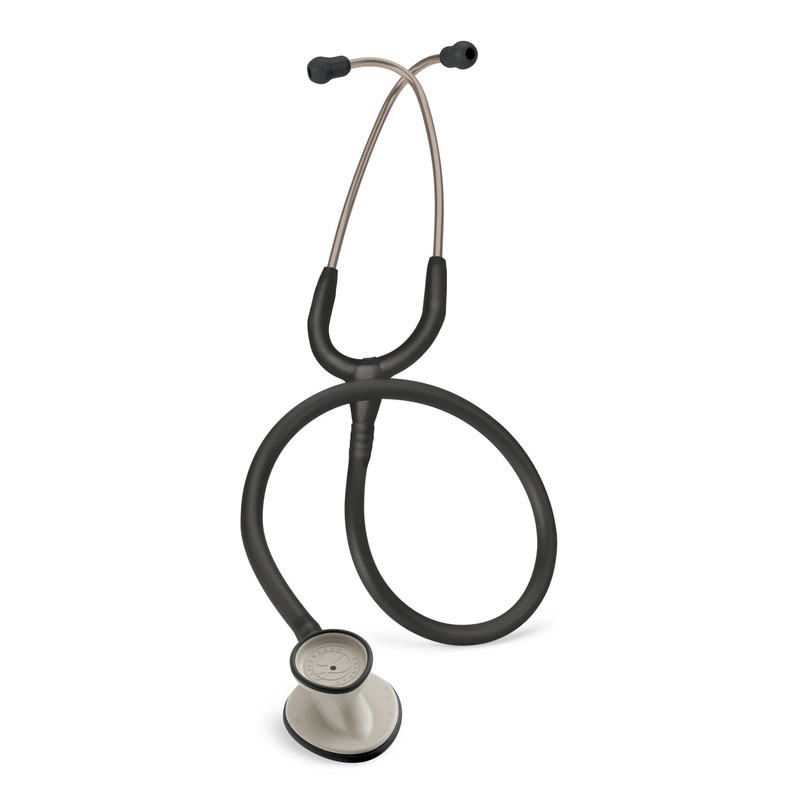
The littmann lightweight ii se stethoscope available through MedTechKits was built with one specific priority in mind: reducing physical strain without sacrificing the acoustic reliability that clinical training demands.
Weighing just 118 grams, it holds the distinction of being the lightest adult stethoscope in the entire Littmann lineup, a detail that becomes meaningful during long shifts, ride-alongs, and back-to-back skills assessments.
The single-sided chestpiece with a tunable diaphragm gives students the ability to shift between high and low frequency sounds simply by adjusting pressure, removing the need to flip the chestpiece mid-assessment.
The teardrop-shaped chestpiece design is a deliberate functional choice, making it easier to position under blood pressure cuffs and around bandages in ways that a wider chestpiece cannot always manage cleanly.
What the Classic III Was Designed to Do
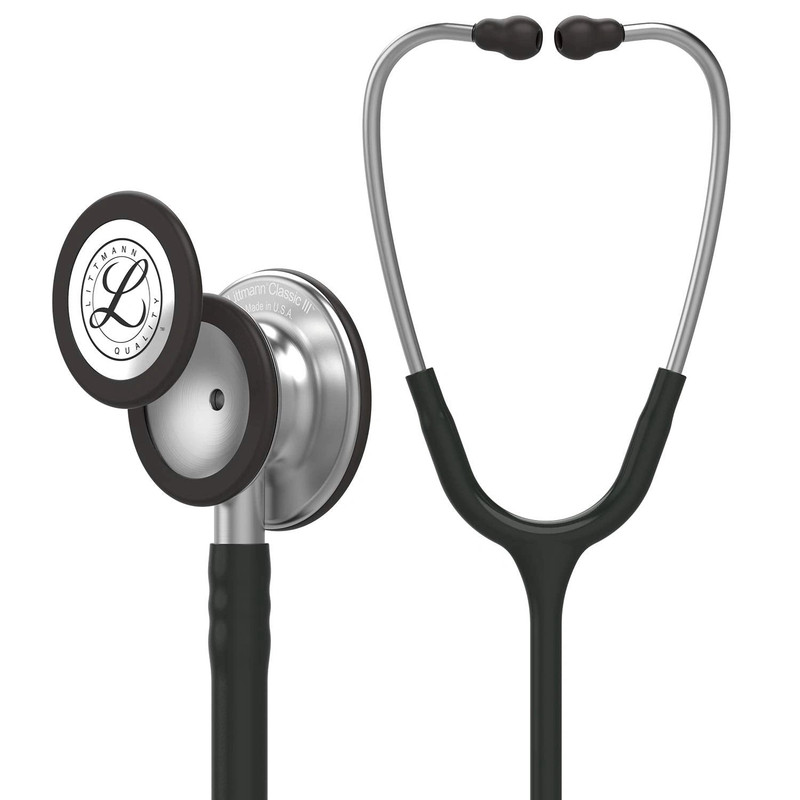
The littmann classic iii stethoscope was designed with a broader clinical mandate than the lightweight ii se, built to serve students and professionals who need a stethoscope that can handle a wider range of patient types and assessment scenarios.
Its precision-machined stainless steel chestpiece is dual-sided, meaning both the adult and pediatric faces of the chestpiece carry tunable diaphragm technology rather than limiting that function to one side.
Where the lightweight ii se is built to serve the focused needs of EMT-level training, the classic iii was built to grow with the student as their clinical responsibilities expand.
The five-year warranty on the classic iii speaks to the durability expectations Littmann holds for this model, and the tubing is engineered to resist skin oils and alcohol to extend its usable life across an entire training program.
Single-Sided Tunable vs Dual-Sided Tunable
The lightweight ii se stethoscope delivers tunable diaphragm performance on its adult-facing chestpiece, allowing students to detect both high and low frequency sounds across adult patients by adjusting pressure alone.
The classic iii extends that same pressure-sensitive tuning to both the adult and pediatric sides of the chestpiece, which means the stethoscope adapts to a fundamentally broader patient population without requiring a change in technique.
The pediatric side can also be converted to a traditional open bell by replacing the single-piece diaphragm with a non-chill sleeve, adding another layer of acoustic flexibility that the lightweight ii se stethoscope does not offer.
How Weight and Comfort Factor Into Long Clinical Days
The lightweight ii se stethoscope at 118 grams is designed to be worn all day without adding physical fatigue to an already demanding clinical shift, and its adjustable headset is built to fit a wide range of head sizes without requiring constant readjustment.
The snap-tight soft-sealing eartips conform to the ear to maintain a secure acoustic seal throughout extended wear, which reduces both sound leakage and the need to reposition during assessments.
The classic iii at approximately 5.3 ounces carries slightly more weight due to its stainless steel chestpiece, but the difference remains manageable for most students during regular training days.
Chestpiece Materials and Why They Matter in EMS Training
The lightweight ii se stethoscope uses a metal and resin composite chestpiece that keeps total weight down while maintaining the structural integrity needed for consistent acoustic performance across EMT-level assessments.
The classic iii stethoscope chestpiece is precision-machined from stainless steel, a material choice that delivers higher acoustic sensitivity and a more refined sound transmission profile than composite alternatives.
This enhanced clarity is particularly valuable in busy training environments where students must isolate body sounds over the background noise of a running resus monitor or ambulance engine.
Pediatric Assessment Capability: A Feature Worth Considering
Pediatric assessment is a component of EMS training that many students underestimate until they encounter it directly in clinical rotations or field scenarios.
The lightweight ii se stethoscope is designed exclusively for adult assessment, and while it performs that function reliably, it does not offer any structural adaptation for pediatric patients.
The classic iii stethoscope addresses this directly through its dual-sided chestpiece, where the pediatric face operates as a fully functional tunable diaphragm and can be converted to a traditional open bell using the included non-chill sleeve.
Color Options and How EMS Students Actually Choose
The lightweight ii se stethoscope is available in five colors including black, burgundy, caribbean blue, ciel blue, and pearl pink, giving students enough variety to select something that feels personal to them without overwhelming the decision.
The classic iii takes color customization significantly further, offering over thirty tube and chestpiece finish combinations that range from standard stainless steel and black matte to specialty finishes like rainbow, copper and mirror, alongside a selection of limited edition variants.
Which Stethoscope Fits Where You Are in Your Training
The lightweight ii se stethoscope is the more appropriate choice for students entering EMT school who need a reliable, comfortable, and capable stethoscope to carry them through their first clinical experiences without overinvesting in features they will not yet use.
If you are gathering your emt school supplies, this model is an excellent starting point. The classic iii stethoscope is a better fit for students entering paramedic training, completing advanced clinical rotations, or looking for one stethoscope that remains useful long after graduation.
Frequently Asked Questions
1. How well do these stethoscopes work when you're trying to hear sounds in a noisy ambulance?
Both stethoscopes are designed to provide clear sound transmission, but the classic iii generally performs better when background noise is a factor. Its stainless steel chestpiece and thicker tubing help improve sound isolation during patient assessments.
2. Is the lightweight ii stethoscope really easier to use for taking manual blood pressures?
Yes, one of the lightweight ii se stethoscope's standout features is its teardrop-shaped chestpiece. The slimmer design makes it easier to position under a blood pressure cuff without needing to constantly adjust your hand placement.
Q3. Can the classic iii stethoscope be used for pediatric patients as well as adults?
Yes, the classic iii is specifically designed to work with both adult and pediatric patients. Its dual-sided chestpiece includes a dedicated pediatric diaphragm that provides better contact on smaller patients.
Q4. How easy are these stethoscopes to clean after clinicals or ride-alongs?
Both stethoscopes feature durable tubing that stands up well to routine cleaning and disinfecting. Regular wipe-downs with approved disinfectant products help keep them ready for the next shift or clinical day.
Practical Resources for EMS Professionals
1. EMS Lighting Tools for Neurological Assessment and Scene Safety
2. Choosing a Durable Aneroid Sphygmomanometer for BP Readings
0 Comments