



How Long to Cold Plunge: Complete Expert Guide to Timing, Benefits, Equipment & Safety
Posted by renutherapy
from the Health category at
14 May 2026 01:31:48 pm.
Share this page: 


Cold plunge therapy has rapidly evolved from a niche biohacking practice into a widely accepted recovery and wellness method used by elite athletes, fitness professionals, celebrities, and even corporate wellness communities. The reason behind its explosive popularity is not just trend-driven hype, but a growing body of physiological understanding and real-world performance benefits.
Professional athletes in sports like football, MMA, basketball, and endurance racing have long relied on ice baths after intense training sessions to manage fatigue and accelerate recovery. More recently, celebrities and wellness influencers have popularized the practice by showcasing morning cold plunges as part of mental resilience routines.
At its core, cold immersion therapy—often performed using modern cold plunge tanks or simple ice bath at home setups—creates a controlled stress response in the body. This stress response is not harmful when done correctly; instead, it trains the body to adapt more efficiently to physical strain and mental pressure.
The growing fascination around cold water therapy is largely driven by its dual impact: it influences both the body and the brain. Physically, it supports recovery and inflammation control. Mentally, it can improve alertness, discipline, and stress tolerance. However, one of the most important and frequently misunderstood aspects is duration—specifically, how long to cold plunge safely and effectively without overexposure.
This guide breaks down everything from science-backed benefits to equipment comparisons and beginner safety protocols so you can approach cold plunging with clarity and confidence.
Science-Backed Benefits of Cold Plunge Therapy
Cold water immersion, commonly referred to as cold water therapy or recovery-based cold exposure, has been studied for its effects on muscle physiology, nervous system activation, and hormonal response. While research is still evolving, several well-documented mechanisms explain why cold plunging is so effective.
Muscle Recovery and Reduced Soreness
After intense exercise, muscles develop microscopic damage known as micro-tears. This process triggers inflammation, swelling, and delayed onset muscle soreness (DOMS). When the body is exposed to cold temperatures, blood vessels constrict in a process called vasoconstriction. This temporarily reduces blood flow to inflamed areas, which can help limit swelling and reduce perceived soreness.
Once the body rewarms after exiting the cold water, circulation increases again, flushing out metabolic waste products such as lactate. This contrast in temperature exposure is one of the key reasons athletes incorporate recovery tubs into post-training routines.
Inflammation Regulation
Inflammation is a natural biological response to stress, injury, or exertion. However, excessive or prolonged inflammation can delay recovery and increase discomfort. Cold exposure helps regulate this process by temporarily slowing down cellular activity and reducing inflammatory signaling pathways.
For individuals who train frequently or engage in high-intensity workouts, this controlled reduction in inflammation can support more consistent performance without prolonged downtime between sessions.
Dopamine Elevation and Mental Clarity
One of the most fascinating effects of cold plunging is its impact on neurotransmitters, particularly dopamine. Research suggests that cold exposure can significantly increase dopamine levels, which are closely linked to motivation, focus, and mood regulation.
Unlike artificial stimulants, this dopamine response is natural and sustained, often leading users to report a heightened sense of clarity, alertness, and emotional stability after regular cold exposure practices.
Nervous System Adaptation and Stress Resilience
Cold water immersion activates the sympathetic nervous system—the same system responsible for the “fight or flight” response. When repeatedly exposed to controlled stress through cold plunging, the body gradually becomes more efficient at managing stress responses.
Over time, this can translate into improved emotional resilience, better stress handling in daily life, and reduced physiological reactivity to external stressors.
How Long to Cold Plunge: Optimal Duration Explained
The duration of a cold plunge is one of the most critical factors in determining both safety and effectiveness. Contrary to popular belief, longer exposure does not necessarily mean better results. In fact, excessive cold exposure can increase risk without providing additional benefits.
Beginner Level (Adaptation Phase)
For individuals new to cold water therapy, the ideal duration is typically between 1 to 3 minutes at temperatures ranging from 10–15°C. During this phase, the goal is not endurance but adaptation. The body is learning how to respond to sudden cold exposure, and short sessions help minimize shock while still activating the nervous system.
Intermediate Level (Conditioning Phase)
Once the body adapts, users can gradually extend sessions to 3 to 6 minutes. At this stage, individuals often begin to notice more consistent benefits in recovery, mental clarity, and stress regulation. The nervous system becomes more efficient at handling cold exposure, reducing the intensity of the initial shock response.
Advanced Level (Performance Optimization)
Experienced users may extend exposure to 6 to 10 minutes, depending on tolerance and water temperature. However, this range should be approached cautiously, as the risk of overexposure increases significantly if temperature drops below 5°C.
The key principle is simple: consistency and controlled exposure matter more than extreme duration. A properly timed cold plunge performed regularly will always outperform occasional long sessions.
Buying Guide: Types of Cold Plunge Systems
Choosing the right system for ice bath at home or gym use depends on budget, convenience, and long-term usage goals. There are three primary categories of cold plunge systems, each with distinct advantages and limitations.
Portable Inflatable Cold Plunge Tanks (Budget Option)
Portable cold plunge tubs are lightweight, collapsible systems designed for easy setup and manual filling. They are typically used with ice and water, making them the most accessible entry point into cold water therapy.
These systems are ideal for beginners who want to experiment with cold exposure without committing to a large investment. However, they require daily ice preparation and do not maintain consistent temperatures, which can make long-term use less convenient.
Despite their limitations, portable tanks are an excellent introduction to cold therapy principles and are widely used in home environments.
Chiller-Integrated Cold Plunge Tanks (Premium Option)
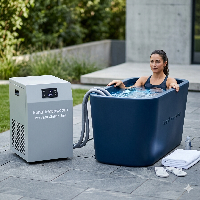
Chiller-based systems represent the most advanced category of cold plunge tanks. These units include built-in cooling technology that allows precise temperature control without the need for ice.
With these systems, users can set exact temperatures and maintain them consistently throughout the day. This makes them ideal for athletes, recovery centers, and fitness facilities where reliability and convenience are essential.
Although they require a higher initial investment and professional setup, they offer the best long-term performance, especially for individuals committed to daily cold exposure routines.
DIY Chest Freezer Conversions (Hybrid Budget Solution)
Some users opt for converting standard chest freezers into cold plunge systems. This DIY approach is often chosen due to its relatively low cost and ability to achieve very low temperatures.
However, this method requires technical modification, including proper insulation, waterproof sealing, and safety controls. Without proper setup, there can be risks related to electricity, hygiene, and temperature regulation.
When executed correctly, DIY setups can be highly effective, but they are best suited for experienced individuals comfortable with technical installations.
Chiller vs Manual Ice Bath Comparison
FeatureChiller-Integrated SystemManual Ice Bath
| Temperature Control | Precise and stable | Variable and inconsistent |
| Convenience | High (automated cooling) | Low (requires ice preparation) |
| Operating Cost | Higher initial investment | Lower initial cost |
| Maintenance | Moderate system upkeep | Simple but repetitive |
| Best Use Case | Daily long-term recovery | Occasional use or beginners |
Key Features to Look for in Cold Plunge Systems
When selecting the best cold plunge for home gym, several technical and functional factors determine overall performance and usability.
Temperature Range
A high-quality system should allow a broad temperature range, ideally between 3°C and 15°C. This flexibility allows beginners to start at milder cold levels while advanced users can gradually progress to more intense exposure.
Filtration System (Ozone or UV Technology)
Clean water management is essential, especially for systems used frequently. Ozone and UV filtration help eliminate bacteria, maintain water hygiene, and reduce the need for constant water changes.
Insulation Quality
Strong insulation is critical for maintaining consistent temperatures and reducing energy consumption. Poor insulation can lead to temperature fluctuations and higher operational costs.
Size and Ergonomic Design
A properly designed cold plunge should allow full-body immersion without discomfort. Ergonomic seating and adequate depth are important for ensuring proper posture and relaxation during immersion.
Step-by-Step Guide: How to Cold Plunge for the First Time
For beginners, entering cold water therapy should be a gradual and controlled process rather than an intense challenge.
Start by preparing water at a moderate cold range of 10–15°C. Before entering, focus on breathing control, as the initial cold shock can cause rapid inhalation and elevated heart rate. Slowly immerse your body instead of jumping in, allowing your nervous system to adjust progressively.
Once fully immersed, focus on steady breathing patterns rather than resisting the cold. Beginners should limit exposure to 1–3 minutes, prioritizing comfort and adaptation over endurance.
After exiting, allow your body to rewarm naturally through movement or room temperature exposure. Avoid immediately switching to hot showers, as this can reduce some of the physiological benefits of cold exposure.
Conclusion: Is Cold Plunge Worth It?
Cold plunge therapy is not a trend that delivers instant transformation; instead, it is a long-term wellness practice that builds resilience, improves recovery, and supports mental clarity over time. When used correctly, it can become a powerful tool in fitness, performance, and overall well-being.
For beginners, simple portable systems are often sufficient. For dedicated athletes or wellness users, investing in advanced chiller-based cold plunge tanks provides greater consistency and convenience. Ultimately, the value depends on how consistently the practice is integrated into your routine.
0 Comments