



Understanding Guided Biofilm Therapy Treatment in Dentistry

Posted by oliviabaker
from the Consumer Tips category at
06 Jan 2026 09:06:27 am.
Share this page: 


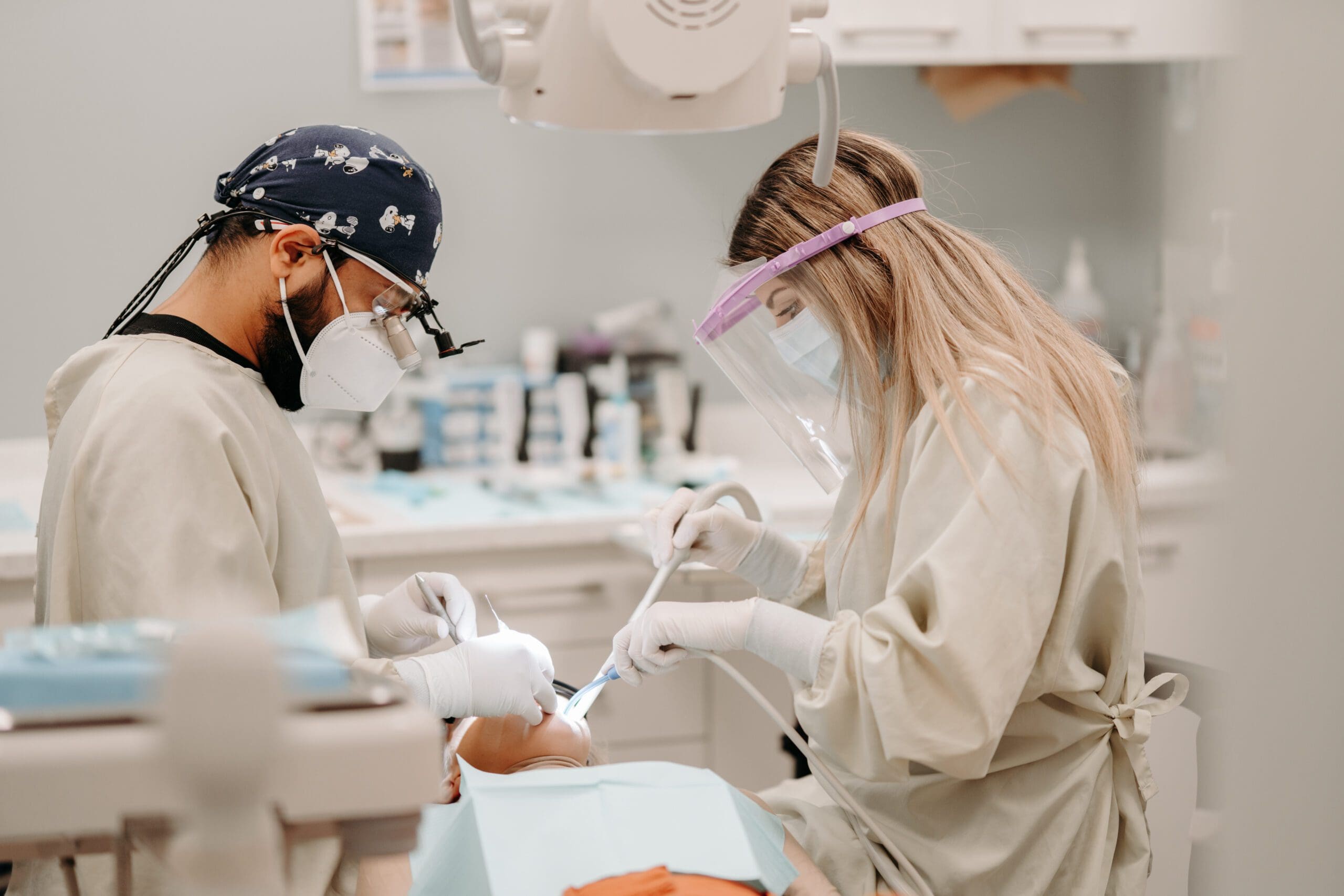
Oral health care has evolved beyond traditional cleaning methods to focus more precisely on the causes of dental disease. One of the most significant developments in modern dentistry is the growing emphasis on managing dental biofilm. Biofilm plays a central role in cavities, gum disease, and other oral health issues. As understanding of biofilm has improved, so have the techniques used to control it effectively and comfortably.
Guided biofilm therapy treatment represents a modern approach that prioritizes targeted biofilm removal while supporting long term oral health.
What Is Dental BiofilmDental biofilm is a complex layer of bacteria that forms naturally on teeth and along the gum line. Unlike loose plaque, biofilm is structured and adheres strongly to surfaces, making it more resistant to removal. It develops continuously and can re form quickly if not managed properly.
Biofilm contains a mix of bacteria that interact with each other and with the oral environment. When left undisturbed, it can trigger inflammation, weaken enamel, and contribute to gum disease. Understanding biofilm behavior is essential to managing oral health effectively.
Why Biofilm Management MattersBiofilm is the primary cause of many common dental problems. Its presence is closely linked to tooth decay, gingivitis, and periodontal disease.
Connection Between Biofilm and Tooth DecayBacteria within biofilm produce acids that attack tooth enamel. Over time, repeated acid exposure weakens enamel and leads to cavities. Simply brushing the teeth may not fully disrupt biofilm in hard to reach areas, allowing decay to develop unnoticed.
Biofilm and Gum DiseaseWhen biofilm accumulates along the gum line, it can trigger inflammation. This early stage of gum disease often shows few symptoms, making professional care essential. If biofilm is not managed, inflammation can progress and damage the tissues and bone that support the teeth.
The Concept Behind Guided Biofilm TherapyGuided biofilm therapy is a structured approach to professional dental cleaning that focuses on identifying, targeting, and removing biofilm in a controlled manner. Rather than relying solely on traditional scaling techniques, this method uses visual guidance and specialized tools to improve accuracy and effectiveness.
The approach emphasizes minimal intervention and patient comfort while achieving thorough biofilm removal. By making biofilm visible and addressing it systematically, dental professionals can tailor treatment to each individual’s needs.
Key Principles of Guided Biofilm Therapy
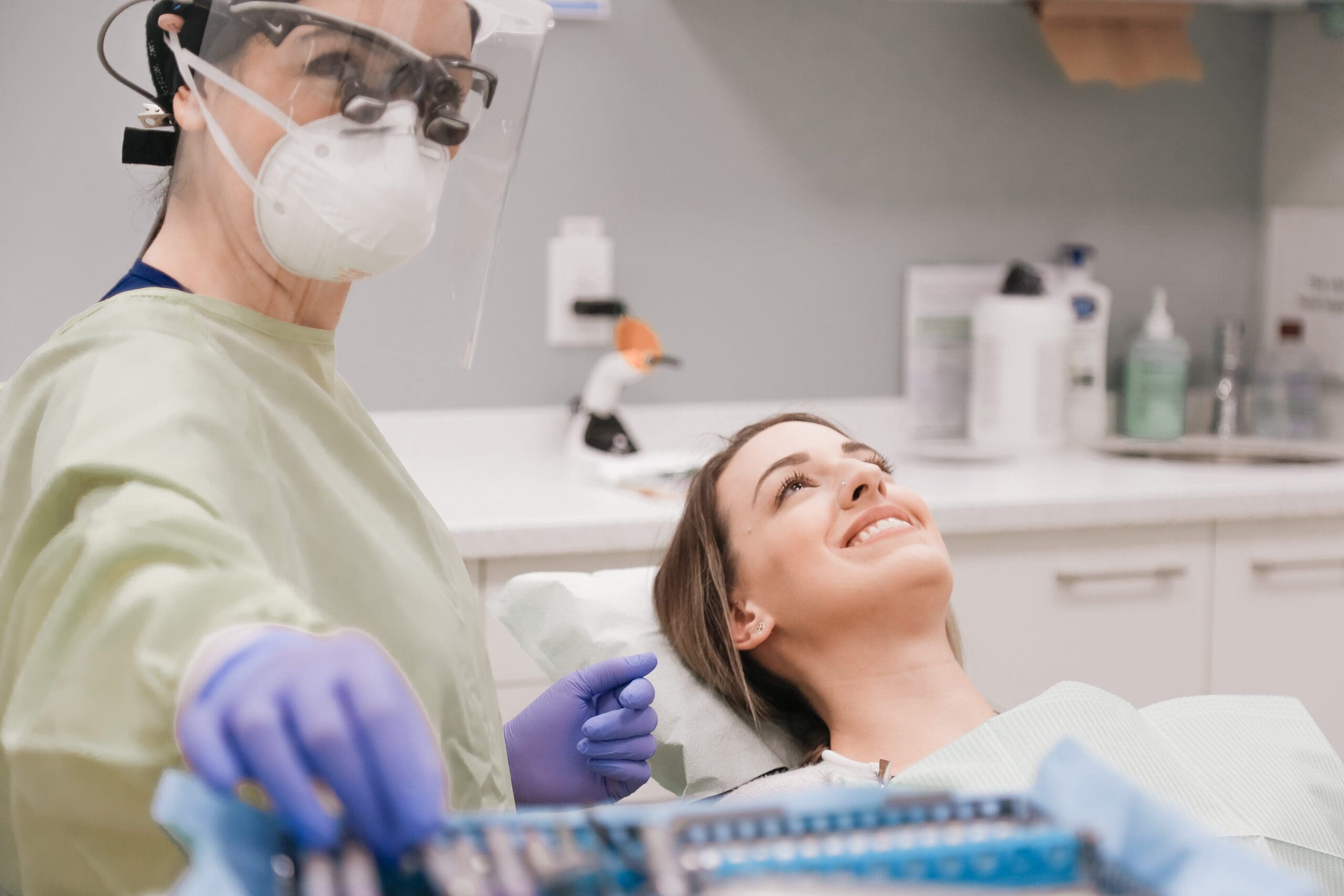
Guided biofilm therapy is based on several core principles that distinguish it from conventional cleaning methods.
Visualization of BiofilmOne of the defining features of this approach is the use of disclosing agents to make biofilm visible. These agents temporarily stain biofilm, allowing both the dental professional and the patient to see where it is present. This visualization guides treatment and improves precision.
Targeted and Selective CleaningRather than treating all tooth surfaces the same way, guided biofilm therapy focuses on areas where biofilm is actually present. This selective approach reduces unnecessary abrasion and preserves healthy tooth structure.
Emphasis on Comfort and SafetyModern tools used in guided biofilm therapy are designed to be gentle on teeth and gums. This helps reduce sensitivity and discomfort during and after treatment, making the experience more comfortable for a wide range of patients.
How Guided Biofilm Therapy Is PerformedGuided biofilm therapy follows a structured sequence that ensures thorough and consistent results.
Assessment and DisclosureThe process begins with an assessment of oral health and the application of a disclosing agent. This step highlights biofilm locations and provides a clear map for targeted removal. It also helps patients better understand their oral hygiene challenges.
Biofilm RemovalSpecialized airflow and water based devices are used to remove biofilm efficiently. These devices deliver a controlled stream that disrupts biofilm without damaging enamel or soft tissues. This method is particularly effective in areas that are difficult to clean with traditional instruments.
Removal of Hardened DepositsAfter biofilm removal, any remaining hardened deposits are addressed using appropriate tools. Because biofilm has already been disrupted, this step is often more efficient and less uncomfortable.
Final Evaluation and EducationOnce cleaning is complete, the dental professional reassesses the mouth and discusses findings with the patient. This includes guidance on home care and areas that may require extra attention.
Benefits of Guided Biofilm Therapy for PatientsThis modern approach offers several advantages compared to traditional dental cleanings.
Improved EffectivenessBy targeting biofilm directly, guided biofilm therapy addresses the root cause of many oral health issues. This can lead to better outcomes in preventing cavities and gum disease.
Enhanced Patient AwarenessVisualizing biofilm helps patients understand where plaque accumulates and why certain areas need more attention. This awareness often leads to improved home care habits.
Reduced DiscomfortGentle tools and targeted treatment help minimize irritation to teeth and gums. This makes guided biofilm therapy suitable for individuals with sensitivity or dental anxiety.
Role in Preventive Dental CareGuided biofilm therapy plays an important role in prevention by controlling bacterial buildup before it causes damage.
Supporting Gum HealthEffective biofilm removal reduces inflammation and supports healthier gum tissue. This is especially beneficial for individuals at risk of gum disease or those undergoing periodontal maintenance.
Reducing the Risk of Tooth DecayBy disrupting biofilm regularly, guided biofilm therapy helps limit acid production and enamel breakdown. This preventive effect supports long term tooth preservation.
Guided Biofilm Therapy and Periodontal CareFor individuals with a history of gum disease, managing biofilm is particularly important.
Maintenance of Periodontal StabilityRegular biofilm management helps maintain stable gum conditions and reduces the likelihood of disease recurrence. Guided biofilm therapy supports ongoing maintenance by controlling bacterial levels effectively.
Complementing Other TreatmentsThis approach works well alongside other periodontal therapies. By keeping biofilm under control, it enhances the effectiveness of broader treatment plans.
Patient Education and Behavior ChangeEducation is a key component of guided biofilm therapy.
Visual Learning and MotivationSeeing biofilm highlighted on the teeth can be a powerful motivator. Patients often gain a clearer understanding of how brushing and flossing affect oral health, leading to improved daily routines.
Personalized Home Care GuidanceBased on biofilm patterns, dental professionals can provide tailored advice on brushing techniques, interdental cleaning, and areas that need special attention. This personalization improves long term results.
Suitability for Different Age GroupsGuided biofilm therapy is adaptable to a wide range of patients.
Children and AdolescentsFor younger patients, this approach helps build awareness and encourages proper hygiene habits early. Gentle techniques make it suitable for developing teeth and sensitive gums.
Adults and Older IndividualsAdults benefit from targeted care that preserves enamel and supports gum health. Older individuals, who may experience sensitivity or gum recession, often find the gentle nature of guided biofilm therapy more comfortable.
Long Term Impact on Oral HealthThe long term benefits of guided biofilm therapy extend beyond individual appointments.
Consistent biofilm management supports healthier teeth and gums, reduces the risk of advanced dental disease, and helps preserve natural teeth. Over time, this approach can decrease the need for invasive procedures and support overall oral stability.
By focusing on prevention and patient education, guided biofilm therapy aligns with modern goals of minimally invasive and sustainable dental care.
Frequently Asked QuestionsWhat is guided biofilm therapy treatment?
It is a modern dental cleaning approach that focuses on visualizing and removing dental biofilm in a targeted and gentle manner to support long term oral health.
How is guided biofilm therapy different from traditional cleaning?
Traditional cleaning focuses on removing deposits, while guided biofilm therapy prioritizes identifying and disrupting biofilm using visual guidance and specialized tools.
Is guided biofilm therapy suitable for sensitive teeth?
Yes, the techniques used are designed to be gentle and minimally invasive, making them suitable for individuals with tooth or gum sensitivity.
Can guided biofilm therapy help prevent gum disease?
Effective biofilm removal reduces inflammation and bacterial buildup, which helps prevent the development and progression of gum disease.
Does guided biofilm therapy replace daily brushing and flossing?
No, it complements daily home care. Regular brushing and flossing remain essential for managing biofilm between professional visits.
0 Comments