



How Free Add-Ons and Bonus Programs Shape Real Value in Academic Writing Services

Posted by Helly
from the Agriculture category at
09 Dec 2025 03:03:01 pm.
Share this page: 


Choosing an academic writing service is not only about the base price. Students look deeper now. They check what comes with that price, what can reduce it later, and whether any extras are quietly added to the bill. Over time, I’ve seen how much value is hidden in bonus programs, free options, and transparent discount policies—elements that often matter more than a single low number on a pricing chart. When used well, these additions help students keep costs under control without giving up quality.
Below, I break down how these features work, what they actually mean for learners, and why they often make one service stand out against others that might appear cheaper at first glance.
Bonus Programs That Replace Standard First-Time Discounts
Some platforms skip the typical “first-order discount” and use a bonus system instead. At first, this may look less appealing, but the structure often pays off for clients who expect to order more than once. A standard newcomer discount is usually one-and-done. A bonus program continues to give value as long as the user stays active.
With a bonus setup, the client earns a percentage of each paid order as credit. That credit can then lower the cost of the next request. A 15% bonus, for example, can noticeably reduce the price of a future assignment without the student needing to search for new promo codes or seasonal deals. The bonus is always there, waiting in the account.
For many students, especially those handling several classes at once, this system becomes more convenient than constantly hunting for fresh coupons. The value builds quietly, and when a stressful deadline shows up, they can use the bonus credit to take some pressure off the budget.
Free Extras That Bring More Value Than Expected
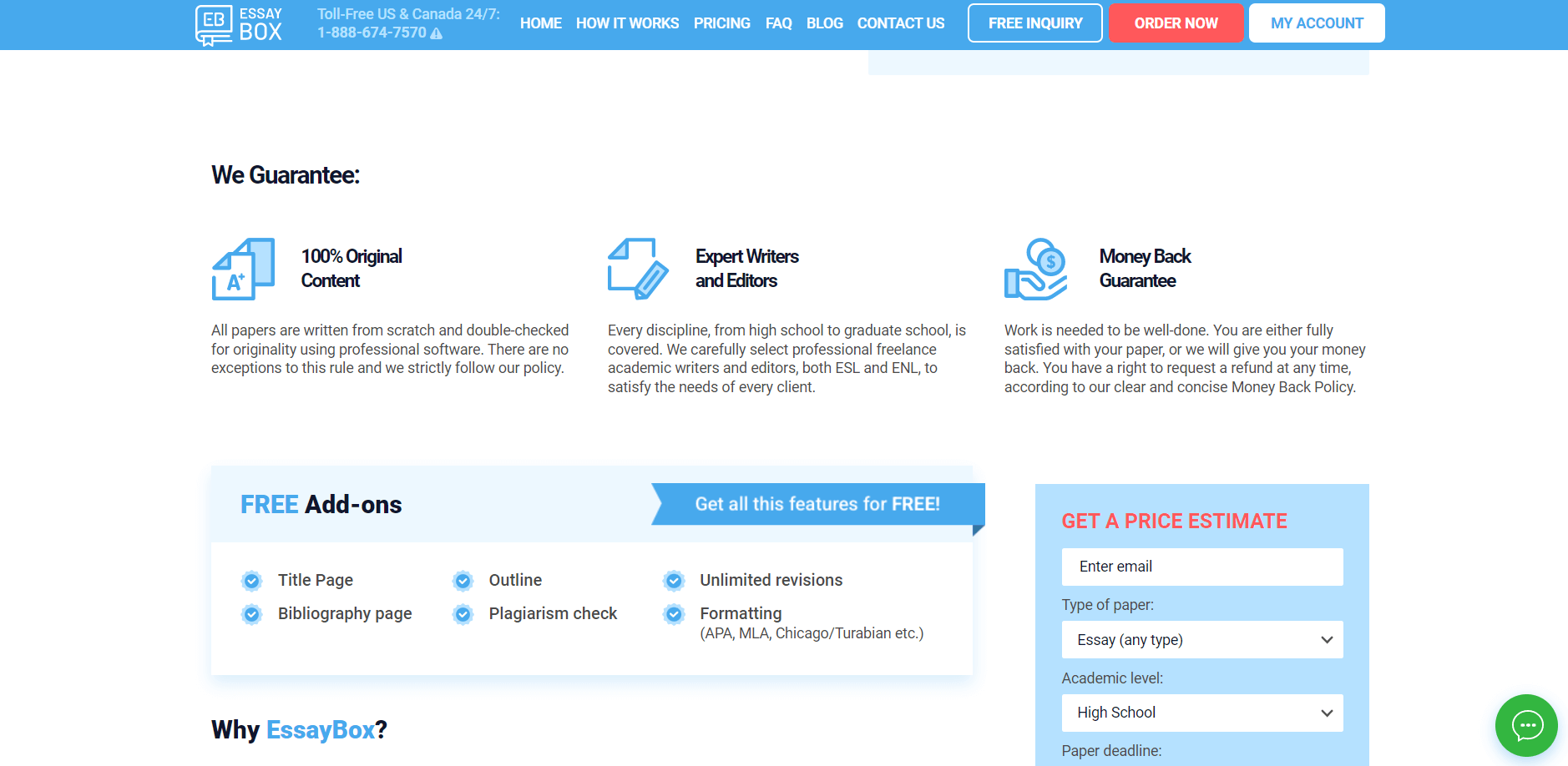
A service may not advertise this loudly, but the free add-ons included in an order can change the final cost in a big way. A simple plagiarism report on some sites can cost as much as a small assignment. The same happens with reference copies or priority writer options. When these features are free, the client avoids paying for items that would usually pile up on the bill.
Common free extras that create real savings include:
- Plagiarism reports
- Copies of all sources used
- Access to a higher-level writer or specialist
- Formatting in the required academic style
- Simple fixes and basic revisions
Many students underestimate how quickly these add-ons can add another $50–$100 to the final bill on other sites. When they come at no cost, it changes the value of the entire order. Free extras often help students who are trying to stretch their budget but still want a full, clean paper.
If you want to compare how different services handle these details, the Same Day Essay detailed review offers a clear breakdown of how one platform approaches fees, add-ons, and overall cost structure.
Formatting and Revision Policies That Reduce Hidden Costs
Formatting might not seem like a big deal at first. But arranging title pages, fixing citations, and preparing a reference list takes more time than many expect. Some companies charge separately for these steps. Others wrap them into the main service so the client never has to think about them.
This matters most for research-heavy assignments. A student who needs a full paper with accurate citations might face extra charges elsewhere for things like:
- Creating a reference page
- Checking the text for grammar issues
- Running the document through a plagiarism tool
- Completing minor corrections after delivery
When a platform includes all of these at no extra cost, the student gains both peace of mind and savings. They know the final version will be polished without surprise fees.
Free revisions are particularly important. A good service understands that adjustments are part of the writing process. When revisions are included, students don’t feel hesitant to ask for needed changes. Without this policy, they may end up paying extra for what should be basic improvements.
Why Honest Discount Rules Build Long-Term Trust
In my work with learners who regularly order writing help, one theme comes up again and again: people want clear rules. They want to know exactly what is free, what is paid, and what they can expect if something needs fixing. A confusing discount policy only frustrates clients and makes them wonder what else might be unclear.
Straightforward discount systems help students plan their budgets. If they know they will earn bonus credit on each order, they can plan ahead. If they know formatting and reports won’t cost anything extra, they can compare services properly. This level of clarity removes the guesswork.
A transparent pricing plan also shows how the service views its clients. A company that includes helpful additions for free is usually trying to support students, not squeeze them. And clients notice this. They stay longer, reorder more often, and feel more comfortable asking questions.
Free Add-Ons and Bonuses Reveal the Real Cost of a Service
When you compare platforms based only on the cost per page, you might miss what the final total will look like. One service may start at a low number but add fees for each small detail. Another may start slightly higher but include everything needed for a complete order.
The real value lies in what the service adds without charging more.
A bonus program helps with future orders.
Free extras reduce immediate costs.
Simple revision policies make improvements stress-free.
And clear discount rules give clients a sense of control.
When all of these pieces come together, the service becomes more than just a vendor—it becomes a reliable tool for a student who wants strong academic support without unnecessary spending.
Conclusion
Free add-ons and bonus programs might look like small details, but they shape the entire experience of using an academic writing service. They influence the price of each order, the cost of future work, and the client’s confidence. These elements can make a pricey service more affordable and a cheap service more expensive than expected.
Students who pay attention to these features often end up saving money while still getting high-quality work. They also find it easier to stick with one trusted service instead of jumping from site to site.
If you’re comparing writing platforms, don’t stop at the base price. Look at the bonus policy, check what comes free, and review revision and formatting rules. These details reveal the true value—and often the true cost—of the service you’re about to choose.
Tags: Writing
0 Comments