



IGF‑1 LR3 vs HGH: How Each Works, Where They Differ, and When They Make Sense

Posted by Helly
from the Agriculture category at
08 Dec 2025 01:36:32 pm.
Share this page: 


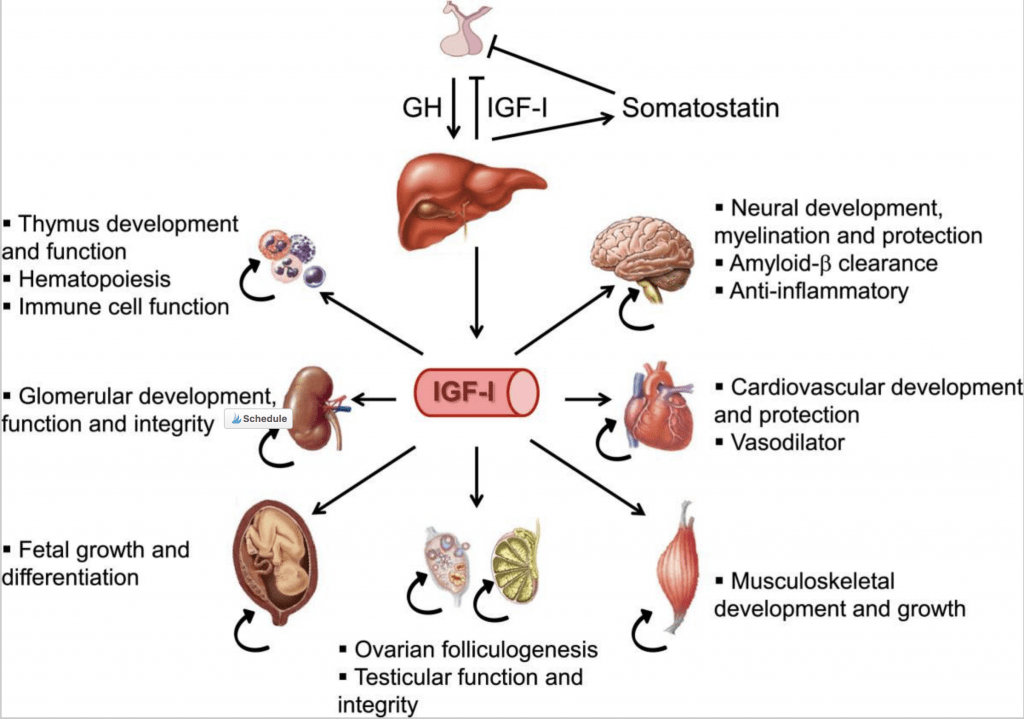
When people talk about performance, recovery, or muscle growth, two names often come up: IGF‑1 LR3 and HGH. While they’re both tied to the same biological pathway—the growth hormone and insulin-like growth factor system—they do very different things inside the body.
To make an informed decision, it’s important to understand how these compounds work, where they diverge, and who they might be right for.
What Is IGF‑1 LR3 and How Does It Work?
IGF‑1 LR3 is a synthetic form of insulin-like growth factor 1 with a longer structure and greater activity than natural IGF‑1. The “LR3” part means “Long Arg3,” referring to a 13-amino-acid addition and an amino acid change that helps the compound avoid quick deactivation by IGF-binding proteins.
The result? A peptide that stays active longer and binds more efficiently to muscle tissue receptors.
Rather than circulating widely like a full hormone, IGF‑1 LR3 works more like a spotlight—it targets specific growth processes in muscle and connective tissue. This makes it especially useful for people who want faster recovery after workouts, visible “pump” effects, and improved nutrient uptake without systemic hormonal shifts.
Typical use involves short cycles (4–6 weeks), often right after workouts or split into pre/post-dose windows.
HGH: A Master Signal for Body-Wide Change
Human Growth Hormone (HGH), or somatropin, works very differently. This is a complete hormone that mimics what your pituitary gland naturally produces. Once injected, HGH prompts the liver—and other tissues—to release natural IGF‑1. So, in essence, HGH is a master signal that triggers a downstream reaction.
What sets HGH apart is its ability to influence more than just muscles. It helps with:
- Collagen production (joint and tendon health)
- Fat metabolism (especially long-term)
- Sleep quality and tissue hydration
- Overall stamina and recovery
Because of its wide effect, HGH is often used in longer-term strategies for general recovery, body recomposition, and anti-aging. It doesn’t act fast, and results build slowly, often over weeks or months.
Direct vs Indirect Action: The Core Difference
Think of it this way: HGH is like flipping a master switch that turns on multiple systems in the house. IGF‑1 LR3 is like turning on a lamp in one room.
This difference in entry points explains the contrast in effects:
- IGF‑1 LR3 delivers quick, localized responses. You might see changes in pump or appetite within days. It’s targeted.
- HGH triggers broader, slower shifts. It affects water retention, sleep patterns, and body fat over time.
One is fast and specific. The other is gradual and wide-reaching.
A good breakdown of this comparison can be found in this igf1 vs hgh overview, which explains the biological pathways, use cases, and key application differences in practical terms igf1 vs hgh.
Which Should You Choose?
There’s no one-size-fits-all answer—your goals matter.
- Choose IGF‑1 LR3 if you want short cycles with visible performance boosts. It fits well into training blocks where recovery speed and local muscle response matter most.
- Choose HGH if you’re looking for long-term support in overall composition, stamina, and soft-tissue repair.
Also, IGF‑1 LR3 tends to cause fewer issues like water retention or glucose disruption, but it’s more “performance-tuned.” On the flip side, HGH gives a more complete recovery profile but takes more discipline, consistency, and planning.
Some users combine them, but this should be done with expert supervision due to how both influence the same pathway differently.
Risks and Real-World Use
Both compounds can lead to unwanted effects if misused:
- HGH in high doses too fast? You might see water retention, joint stiffness, or even nerve compression.
- IGF‑1 LR3 at improper timing? You could experience swelling at injection sites or unpredictable shifts in hunger.
More doesn’t always mean better. Real effectiveness comes from knowing the purpose, adjusting the dose, and keeping realistic expectations.
Neither compound replaces sleep, training, or diet. They support—not substitute—the fundamentals.
Final Thoughts: Know Your Route, Not Just the Name
It’s easy to get caught up in names like “growth hormone” or “IGF,” but what really matters is how these compounds interact with your body and why you're considering them.
IGF‑1 LR3 offers speed, specificity, and tight control for short performance pushes. HGH offers depth, recovery, and balance over time.
Both have value, but they’re not interchangeable. The smart move is to define your goal, understand the tools, and work with professionals if you choose to go this route.
<!-- notionvc: a1bc9a69-514d-40ae-8006-58650acb0215 -->
Tags: Sense
0 Comments