



How to Use a Gem Testing Torch for Accurate Gem Identification

Posted by eric22
from the Tips And How To category at
30 Sep 2025 03:56:37 am.
Share this page: 


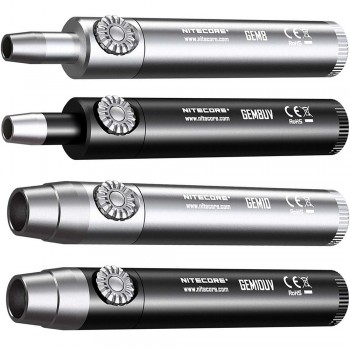
Why Use a Gem Testing Torch?
A gem testing torch is specifically designed to emit a strong, focused, and color-corrected light that highlights the unique internal features of a gemstone. Unlike ordinary flashlights, these torches often use high-quality LEDs or fiber optics that approximate daylight conditions. This ensures that inclusions, fluorescence, and other distinguishing characteristics are visible without distortion. For gemologists, such clarity is essential for separating genuine stones from imitations.
Step 1: Prepare Your Workspace
Before using a gem testing torch, ensure that your workspace is clean, well-organized, and free from strong ambient lighting. A darkened environment is ideal, as it allows the light from the torch to interact more clearly with the stone. Keeping a black or neutral-colored background handy can also improve visibility, especially when evaluating transparent or light-colored gems.
Step 2: Handle the Gem Properly
Use tweezers or a gem holder to secure the stone. Direct contact with fingers can leave smudges or oils that interfere with observation. Place the gemstone in a position where the torch can illuminate it from different angles without obstruction. This careful handling not only protects the gem but also ensures consistency in your observations.
Step 3: Adjust the Torch Settings
Many gem testing torches come with adjustable brightness levels or interchangeable light filters. Start with a moderate setting to avoid glare, then gradually increase intensity as needed. For example, certain stones like emeralds reveal internal inclusions more clearly under lower-intensity light, while diamonds may require brighter illumination to display their brilliance and internal reflections.
Step 4: Observe Key Features
With the torch directed at the gem, carefully observe the following features:
Transparency and Clarity: Strong lighting reveals inclusions, fractures, and zoning patterns. These characteristics often indicate natural origins.
Color Distribution: The torch helps identify uneven or patchy coloration, which may signal treatments or synthetic origins.
Surface Reflections: Under direct light, luster and polish quality become evident. Differences in reflection can help distinguish between similar-looking stones.
Fluorescence Reactions: Some gem testing torches include UV attachments, allowing you to detect fluorescence, a critical property for gems like diamonds, rubies, and sapphires.
Step 5: Compare with Reference Materials
No analysis is complete without comparison. Use gemological charts, textbooks, or reference stones alongside your torch observations. For instance, a ruby and red spinel may appear nearly identical, but under a gem testing torch, their inclusions and color zoning differ significantly.
Step 6: Record Your Findings
Document your observations immediately, noting down details such as inclusions, color shifts, and reactions to light. Maintaining a record not only aids in accuracy but also provides valuable reference material for future identification work.
Practical Tips for Accuracy
Always clean your gem before testing to remove dust or oil.
Combine torch observations with other tools like loupes or microscopes for more comprehensive results.
Practice regularly on different stones to train your eye in recognizing subtle variations.
The gem testing torch may appear simple, but in the right hands, it becomes a powerful instrument for accurate gem identification. By mastering its use—through careful preparation, observation, and documentation—you can distinguish natural gems from synthetic or treated ones with greater confidence. Whether you are a professional jeweler or an enthusiastic collector, this tool ensures that every stone you examine is evaluated with clarity and precision.
Related Articles:https://karl22.loxblog.com/post/2/How%20to%20Use%20a%20Professional%20Diamond%20Tester%EF%BC%9F.htm
0 Comments